Why reminiscence?
The importance of reminiscence for older adults in general
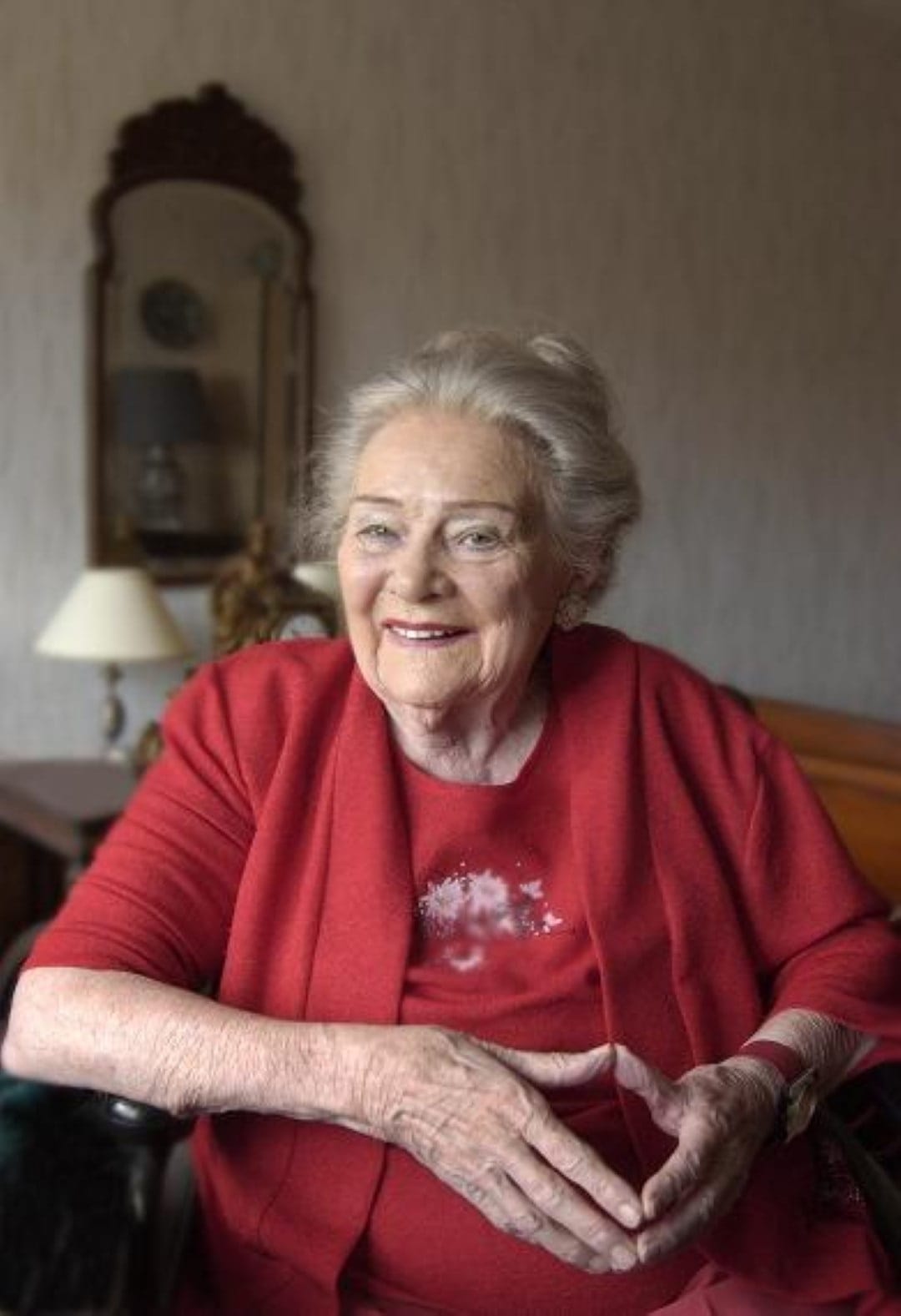
Through the stories about their lives, older adults can clearly demonstrate who and what they are: what they have experienced and accomplished, what has shaped them. That presentation of the past can help the older adult’s surroundings to see the older adult in a way that aligns with the older adult’s own perception. Moreover, reminiscence can help the older adult in drawing up their own life balance.
Guiding reminiscence can help the older adult to straighten out any distortions in their perception of their own past. This can happen on an individual basis, but also in reminiscence groups. Participants in a reminiscence group generally become quite comfortable with each other fairly quickly, which can lead to new contacts forming. This is a significant advantage given the older age at which loss of contacts is more the rule than the exception.

The importance of reminiscence for older adults with dementia
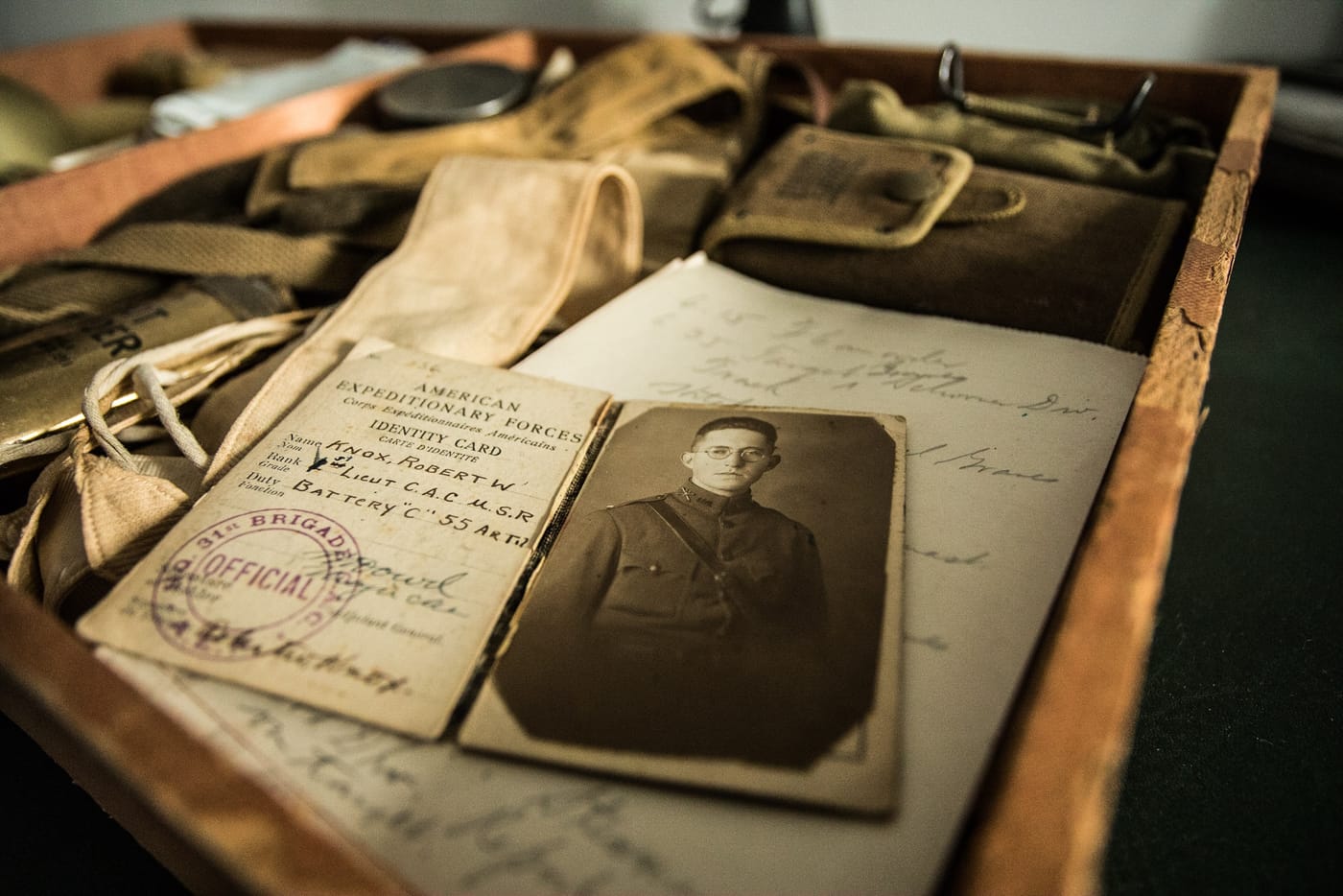
Older adults with dementia can still tell quite well about the past in the early stages of their illness. Reminiscence thus appeals to what that older adult can still do. This is a relief for people who are continuously confronted with decreasing capacities. Reminiscence is for older adults with dementia the only way to preserve their identity and present themselves as they see themselves. For older adults who have lost their orientation in the present, orientation in the past can provide a greater sense of control over their lives.
The importance of reminiscence for young people
Because contact with grandparents has diminished, many young people have been deprived of the opportunity to place their world in a historical perspective. Parents often do not fill this gap. Reminiscence can fill this void.